5 intentional ways to cultivate yutori in your life

Instead of hurrying home after the school run I had another mission. At the top of my very long to-do list was a pilgrimage to visit the lilacs.

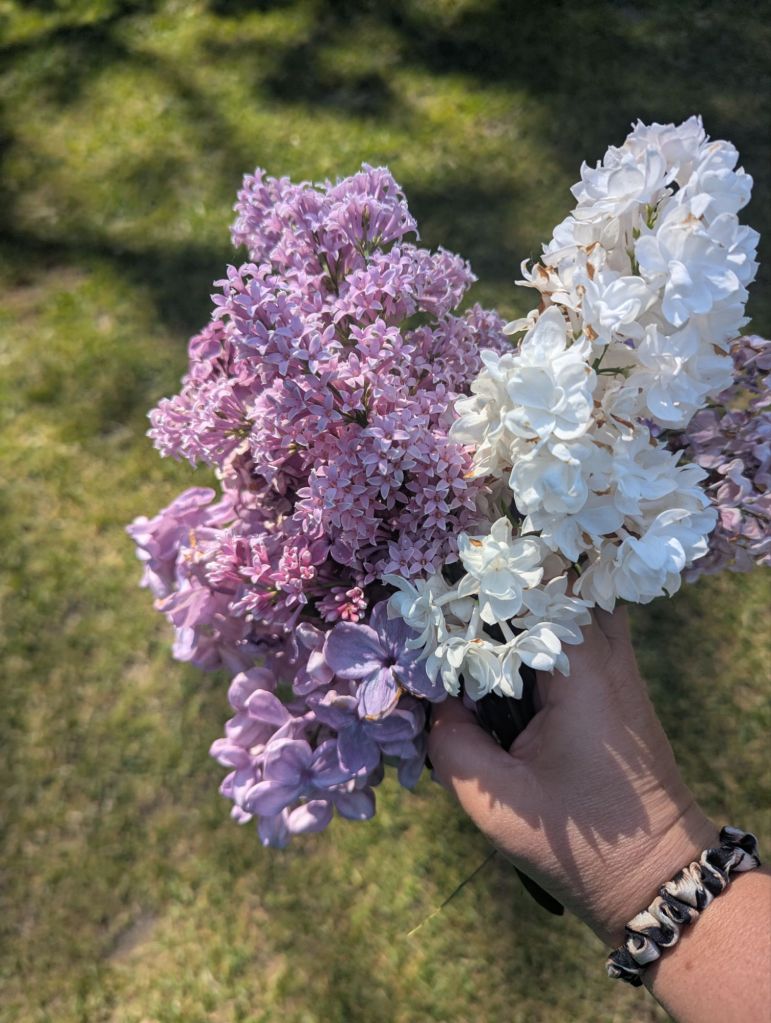
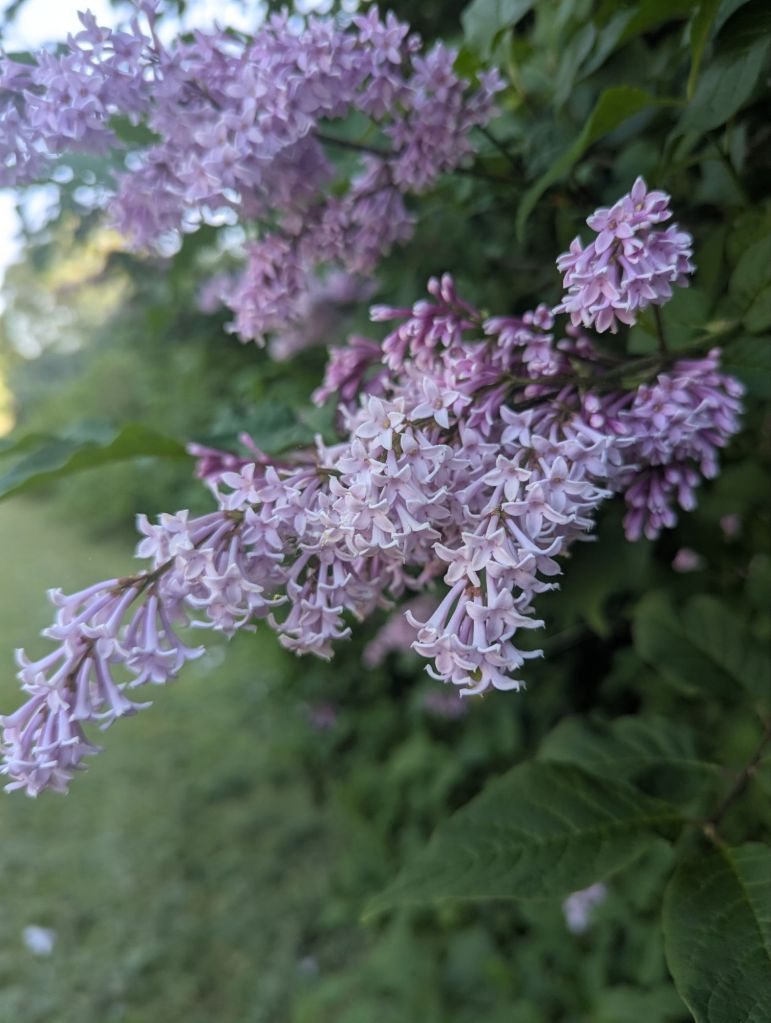
Withdean park houses the second largest collections of lilacs in the world with around 200 different varieties. Next to one of the main roads into Brighton & Hove, I had driven past the lilacs for years, never stopping. The park was largely empty except for dog walkers and me. The hum of the insects mingled with the distant sound of cars on the motorway. Spread in clusters at the edges of the cut grass lawn where lilac bushes. They had large cones of blooming petals in hues of white, violets, blues, magenta’s, pastel pinks, and even palest primrose. The smell was incredible: heady and syrupy sweet. 

The detour took a little over an hour and then I was back home working. Rather than taking anything away from my day I felt like I accomplished more. When I finished work, instead of feeling exhausted I felt replenished. This was one of my first attempts at consciously practicing the Japanese principle of yutori.

Yutori: the art of creating a spacious life

“Yutori (ゆとり) is a Japanese concept that translates to ‘spaciousness,’ ‘leeway,’ or ‘room to breathe’. It’s more than just physical space; it encompasses mental, emotional, and temporal room, encouraging a more balanced and less stressful way of living. Nihongo Master translates yutori as ‘elbowroom; leeway; room; reserve; margin; allowance; latitude; time’”

I am somebody who desperately needs more yutori in my life.

I do want to acknowledge that for some people yutori is easier to achieve than for others. I am aware that I have financial privilege and a relatively flexible schedule. There were times in my life: when I was working three jobs, when I had a newborn and a toddler, when my mother was seriously ill: where yutori would have been almost impossible. If this is the season you are currently in, extend yourself kindness. We do not all have the same 24 hours. Some of us are more able to make time available in our schedule than others.
Yutori: the antidote to toxic productivity

Yutori is a counterpoint to our culture of toxic productivity. This compulsion to be constantly achieving and busy does not stop at work but extends to our leisure time too. This can lead to shame around rest, an inability to switch off and in the end: burnout.

Oliver Burkeman’s amazing book Four Thousand Weeks: Time Management for Mortals talks about this existential dilemma better than I ever can.

“Productivity is a trap. Becoming more efficient just makes you more rushed, and trying to clear the decks simply makes them fill up again faster. Nobody in the history of humanity has ever achieved “work-life balance,” whatever that might be, and you certainly won’t get there by copying the “six things successful people do before 7:00 a.m.” The day will never arrive when you finally have everything under control—when the flood of emails has been contained; when your to-do lists have stopped getting longer; when you’re meeting all your obligations at work and in your home life; when nobody’s angry with you for missing a deadline or dropping the ball; and when the fully optimized person you’ve become can turn, at long last, to the things life is really supposed to be about. Let’s start by admitting defeat: none of this is ever going to happen. But you know what? That’s excellent news.”
― Oliver Burkeman, Four Thousand Weeks: Time Management for Mortals

All of which was all too familiar to me, somebody who had always valued myself on what I do rather than who I am. I was constantly rushing through life rather than experiencing it. I had become a human doing rather than a human being. And in this process, I had lost sight of what truly mattered. I was getting stuff done but missing the things in life which give it colour and meaning.

Often rushing behaviour is learnt in childhood. In Transactional Analysis, different aspects of our personality are called drivers. Drivers are early personality adaptations that help us get our needs met as children. One of mine is the Hurry up driver. People who have a Hurry up driver are constantly rushing and find it extremely difficult to stop. When we are in our driver, we tell ourselves – ‘I am okay because I am getting lots of things done’. Rushing performs a function, it stops our ability to feel or think clearly. Stuff may get done but often it is rushed and sloppy because we jump from task to task. People with this driver feel tired and unable to relax. 

To counteract this we must recognise that we are not machines built merely to produce, we are animals. And animals need rest, fuel and space in between tasks. Our to do list will always multiply, there will always be more to do than we could ever accomplish. In Oliver Burkeman’s great book Meditations on Mortality, he talks about how obsessive productivity is a way to mitigate our anxiety about death and our finite lives. The answer, isn’t to double down and do more but to accept this. To incorporate more yutori into my daily life, I came up with a plan.

5 ways I intentionally practise yutori

  1. Slow down. Because rushing has become a habitual behaviour, I will often notice I am speeding up when there is no need. I use taking a drink of water as a yutori ritual and a waypoint throughout my day to slow down. Every time I drink water, which I must do 10-15 times a day. I try to pause and feel the texture of the cold glass underneath my fingertips. To sense the taste and temperature of the water as it slips down my throat. By going slowly I am soothing my nervous system telling it: I am safe now. I can take my time. There is no need to rush.
  2. Build a buffer. Because I hated ‘wasting time’ when I had appointments I would often try to arrive exactly on time. But there would be traffic or it would take more time to leave the house than I expected. And I would be late which I found immensely stressful. Now I deliberately build in some cushion time. If I bump into a friend, I have time to chat. If I want to look at something I find interesting, I have time to do so. If the journey takes longer than expected, I have time for that. I want a schedule that has room to breathe.  
  3. Under commit. I have a tendency to over commit and over estimate my capacity. I often try to do too much with the kids because I don’t want them to feel deprived. But it is too much for my nervous system to handle and then I turn into shouty mummy. (And nobody likes shouty mummy.) Even when a day is filled with enjoyable tasks, if they are all crammed together it becomes not enjoyable. So I am getting into the habit of giving myself time to think before making any commitments. I will often sanity check events with my husband as he is more realistic and able to see what is actually achievable. I want to accept that I am human and can only do so much.
  4. Schedule joy. Listen as a Virgo and a perimenopausal woman, I love a to do list. If I don’t write it down, I won’t remember it and it won’t get done. But I began to notice that I was fulfilling my external obligations to others but not my internal obligations to myself. I needed to start scheduling joy. I have started writing down: walks, breath exercises, tiny but enjoyable side quests. Because yes filing my tax return is important. But so is taking my nine year old sea glass hunting. Buying new toilet rolls is just as essential as watching the murmurations of the starlings. I want a life that holds space for both.
  5. Be childlike again. One of my children is sloth-like in his speed and does not like to be rushed. Watching him eat is a geological process. Repeatedly I have to regulate myself and remind myself that although there are times I need to rush him (hai external agony that is the school run). Often I don’t, what does it matter if we take 20 minutes to walk to the shops because he was looking at bugs instead of 5. Instead of fighting to hurry him up, it is often more enjoyable to allow myself to drop to his speed. He is a great reminder that I can afford to take my time. What am I rushing for anyway?
I want to build a spacious life. Where there is time to take the scenic route. To go on enjoyable little side quests. To lie in the grass watching the cloud’s shifting shapes above me. Like Tolkien said, ‘not all who wander are lost.’

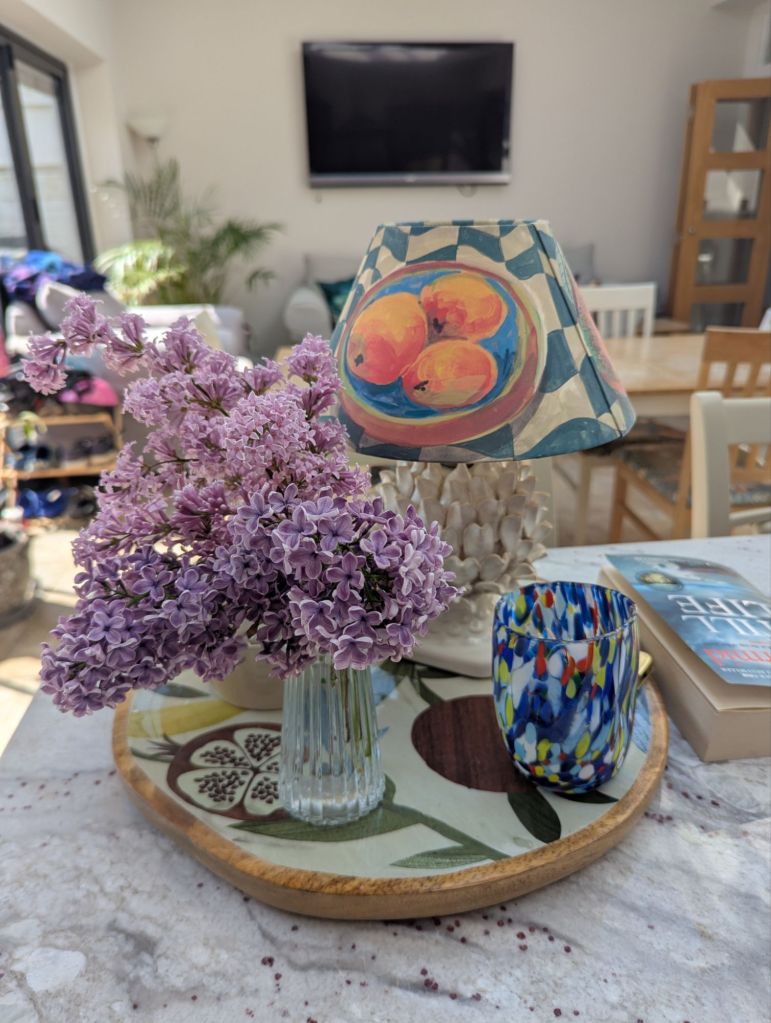
Yes, there will be times when I am too busy to spend an hour wandering through the park looking at lilacs. But today, in this moment, I have the time and I will take it. A vase of lilacs sits on my kitchen counter filling the room with their heady fragrance. A visual reminder to gift myself with yutori.

If you are based in Brighton & Hove area and interested in taking your own pilgrimage to visit the lilacs, Withdean Park is located here. The Friends of Withdean Park helpfully have a map of the lilacs and a trail you can do.

Have you heard of yutori before? Is it allowing yourself spaciousness and room to breathe something you would like to try in your own life?

Embracing life’s seasons: a personal mantra

I love a helpful personal mantra. Recently another one occurred to me. This is not the season.

As every gardener knows, for everything there is a season. A season to sew. A season to harvest. And a season to let things be fallow.

Some context, my kids had to move school suddenly without warning. It’s been a huge amount of upheaval. A longer commute, a new environment and a lot of (understandable) big feelings at the change. I am close to my capacity in terms of what I can manage without tipping into overwhelm. For weeks, I have felt as if I am standing on my tiptoes, tilting my head back, the water lapping at my nostrils. I am just about keeping myself and my family afloat.

I went shopping this week. And I was reminded of a new pancake recipe I had wanted to make for my kids breakfast:

‘I really need to make those pancakes.’

And then a wise part of me spoke gently inside my head and said:

‘My love, this is not the season.’ And I felt myself exhale, let my shoulders drop and the relief wash over me.

So much unnecessary suffering would have been avoided in my life if I had just recognised this is not the season.

When you have a newborn, this is not the season to sign up for intense exercise classes. It is the season for rest and gently nurturing yourself.

When you are grieving, this is not the season for meeting new people. It is the season for hibernating and feeling your loss.

When you are in the depths of winter, this is not the season to embark on a new ambitious project. Yes, Julian calendar and new years resolutions I am looking at you! Far easier, to make changes when the days are lighter and warmer in spring.

We all go through thriving times when things are simpler. If life was a video game we would be playing it in easy mode. We have extra energy and motivation to get things done.

 But when we are in survival mode, we need to moderate our expectations of what it is possible to achieve. We need to move goalposts to make life easier for ourselves. As a recovering perfectionist this is so hard for me and so necessary.

I have kept myself in dysregulation in the past by asking too much of myself. I have not adapted my expectations to the context in which I find myself.

The reality is that I am in the verge of overwhelm season in my life. I don’t have a lot of spoons left. Yes, I would love to batch cook some healthy pancakes that I could freeze for my kids breakfasts. They would love that, I would love that. Yet, that would take energy away from doing other things that are important to me. I have limited energy reserves so I need to prioritise accordingly.

My kids get five nutritional meals at school. I have the energy at the moment to batch cook one meal. So I am expending it batch cooking a nutritional meal for me so I don’t survive on what I can forage from the service station. Trying to get myself to meal prep pancakes for their breakfast is like expecting dahlias to bloom in winter. This is not the season.

Part of the mantra that really helps me is the recognition that seasons change. Maybe in another couple of months, things may have shifted. I may have more energy

This is not the season contains an acceptance of where I am. It is a kindness to meet ourselves and others where we are now. Rather than where we desperately want to be. I would love to be in the season where I pre-make healthy nutritional snacks for my kids. 

But that is not the season of life I am in right now and that’s okay.

What season of life are you in? Are you adapting your expectations for yourself accordingly? Let me know in the comments, if this resonates.

Navigating grief and living loss at Christmas

A festive love letter to my mum

Editors note: I wrote this before Christmas but never hit publish because life. Today is my mum’s birthday. So it feels right, to honour her and the life lessons she taught me.

Often, you can’t see the space somebody takes up in your life, until they are gone. 

My mum is still alive but dementia has irreparably changed from the person she was. I feel the space my mother left most deeply at Christmas.

As a child I loved Christmas fiercely. I was lucky. Lucky in a way that you only know in hindsight. When something is shattered beyond repair and only then do you truly comprehend how beautiful it once was.

My family was complicated, and yet I never doubted that my parents loved us. 

The magic in Christmas came from having a mum that loved me. She bought the presents and wrapped them. She decorated the house. She booked the festive shows. My dad always bought the food and cooked an epic roast. But because of work schedules, the vast majority of the festive labour was done by my mum.

Only when my mum was gone did I realise the Christmas magic wasn’t an innate part of the festive season. It was generated by her invisible labour behind the scenes.

This was an act of quiet heroism. My mum made Christmas special despite her complicated feelings around this time of year. 

On the 21st of December 1982, my older sister Sarah was disabled in a hit and run. My parents spent Christmas in intensive care with Sarah. The doctors told them to say goodbye for she would not live to see the new year. Miraculously she survived, disabled but alive. But my parents were left alone to carry the burden of what had happened and mourn the unlived life Sarah could have had.

When I was younger I was oblivious to the significance of the date. But as I grew older, I could see as the dark lengthened and winter began to bite, my mum would coil tighter and tighter. Steeling herself against the memories flooding back.

I want to ask my mum how she made Christmas so lovely when her heart was breaking. As somebody who has my own traumaversaries now, my mum is one of the few who would be able to understand. I want to know how she navigated the day-to-day demands of parenting while holding her trauma.

I want to talk to her, as I was never able to, mother to mother about the invisible labour of women. How it feels to be glue holding the family together and what it costs you. But it’s too late to have that conversation. It will always be too late. 

I hope all of the tasks she did at Christmas were not just for us, her girls. I hope that some parts of her were able to find joy in the Christmas rituals. That it helped her to keep the darkness at bay.

For the past six years since my sister Lauren’s accident and my mum developed dementia. Christmas has been excruciating. Every year the sheer awfulness of Christmas shocks me again like being dunked into freezing water. Suddenly my family was smaller, hollowed out. Now it is just my dad, my older sister and me trying not to look at the spaces around us.

When friends would tell me they love this time of year. And, I would think, some of you have never experienced life-shattering trauma and it shows.

If I didn’t have children, I would book a holiday somewhere warm and tried to forget what day it was. But my kids and my husband love their cousins and their grandparents. They find true joy and magic in Christmas. So in a parallel to my mum 40 years earlier, I stay and try to make something beautiful out of the bleakness.

For the past couple of years frenetically I would try and feel the joy around Christmas. It was as if the complicated feelings I had around Christmas weren’t acceptable and I needed to change them. The harder I worked the worst I felt. I want to put my arms around past me who was feeling such deep grief and say it won’t always feel like this’.

This year has felt different. In part because of the deep work I have been doing in therapy around grief and living loss. I have come to a place of acceptance about what is. But also because I have given myself permission to do Christmas my way. I take part in the festivities I enjoy. I prioritise the bits of Christmas my children enjoy. And I sack off the rest. Goodbye forced cheer, hello radical acceptance of what is.

This year an unexpected gift of this new attitude is that I feel intensely connected to my mum at Christmas. To the long line of women who came before her. As I walk round the dark streets with my kids looking marvelling at all the lights, I see her. As I hang brightly coloured stars and baubles, I hear her. As I smuggle presents into the house thinking of my kids excited faces on Christmas day, I feel her.

I will never stop wishing that my mum was here, as she used to be. There will always be an empty space next to the fire where she should be watching her grandchildren open their presents. She is now too ill to leave the nursing home so on Christmas day we will visit her. This holiday will always remind me of who isn’t here and who is irreparably changed. It will always be bitter but there are moments of sweetness mixed in too.

And as I fill the stockings, I think about how I am in a quiet way honouring my mother. Who knew more than anyone how to light a candle in dark times. 

I am and I will always be her daughter.

Stupid girl

Growing up when I made silly mistakes my parents would call me stupid, an imbecile, or thick. Not on a daily basis, but enough.

And to be fair, often I was not being the wisest little spoon in the drawer. Leaving my passport at home, not once but two years in a row. Not my finest hour! Piercing my nose days before I left school which had a strict no facial piercings policy. Can you tell my frontal lobe had not fully developed yet?

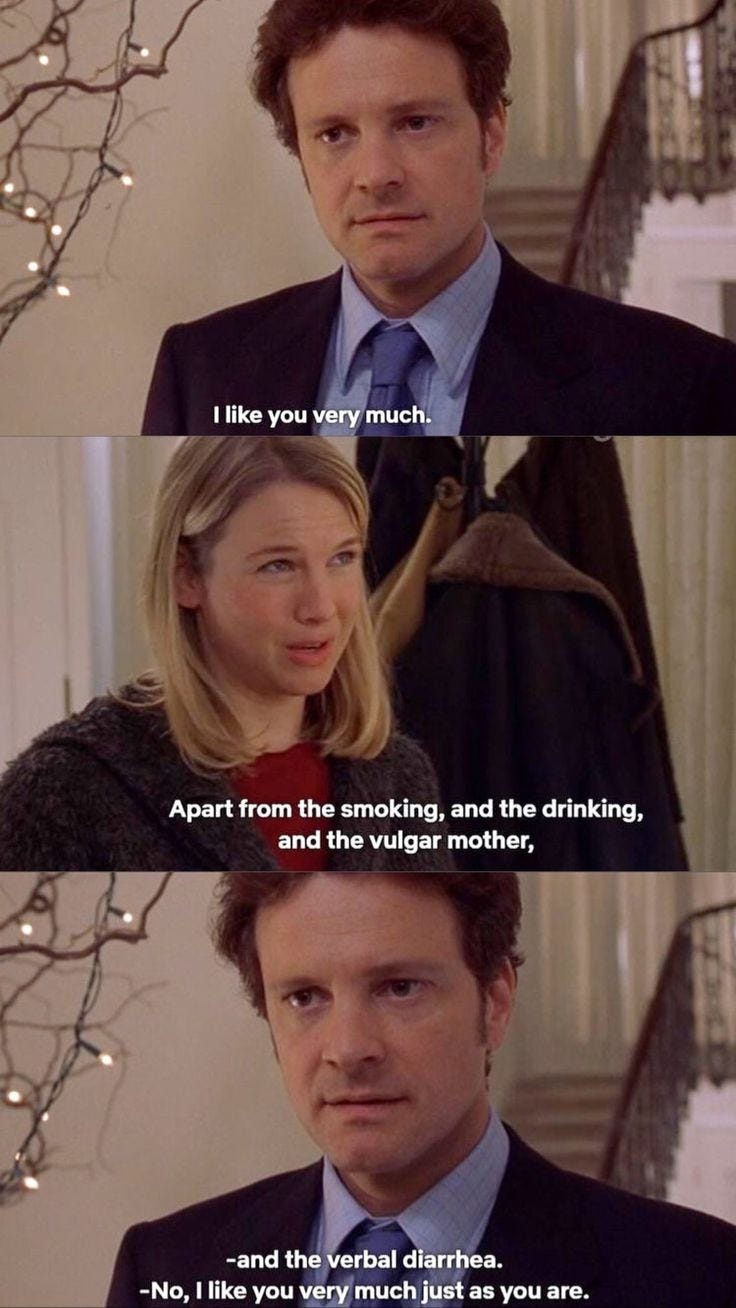
Let me be clear, my parents loved me. They were, and are, good parents and good people. They were far harsher to themselves when they made mistakes than anything they ever said to us.

When I had children, I resolved that I would make different choices. (*Laughs in hindsight as I immediately made a lot of new and different mistakes that were distinctly my own*).

I had broken the cycle enough that I don’t use the s-word or call my kids names. Even when I really, really want to. (Yes, I am thinking about the curious incident of the willy trapped in the letterbox. No, I do not want to discuss it further.)

But in my head and sometimes out loud, I would call myself stupid. Not on a daily basis, but enough.

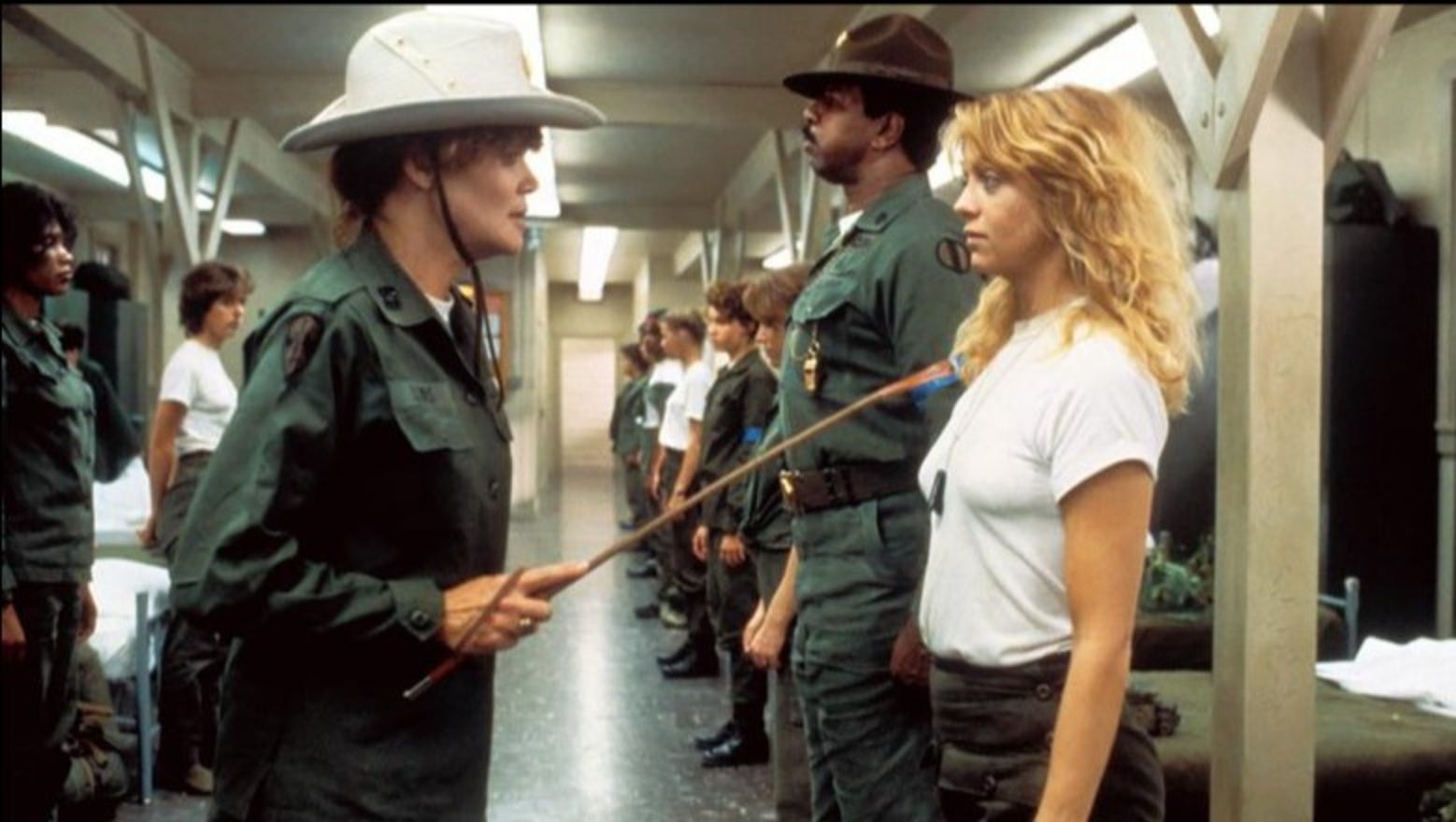
I’ve written before about my long-standing habit of talking to myself like a sergeant major addressing the greenest recruit. It was like I was being harsh as motivational tool. Occasionally, somebody would kindly point out that I was quite hard on myself. Then I would unkindly try and berate myself into being nicer to myself.

In recent years, my attitude towards myself has shifted. Thanks to copious amounts of trauma therapy, internal family systems work and neurofeedback. Instead of berating myself for being self critical, I shifted to a position of curiosity. I began to ask what purpose was this behaviour serving for me? The part of me that was overly harsh was trying in her misguided way to protect me. ‘You cannot be any harder on me than I am’, I was saying. I genuinely believed that for me to be accepted I had to be perfect and not make mistakes.

What made the biggest difference, was instead of trying to stop the unwanted behaviour. I first looked at the purpose it served (self protection). Then I began to implement healthier coping mechanisms that met the same need. What if, revolutionary thought, I could be acceptable just as I was, mistakes and all. Mind blown!

Think of a building covered in scaffolding where the scaffolding is our old coping mechanisms. We cannot just get rid of the scaffolding, even if it irritates us, even if we feel it’s no longer necessary. The scaffolding or old coping mechanism is performing a function. Instead we need to add in some supporting beams (healthier coping mechanisms) and over time the scaffolding (the old unwanted behaviour) is no longer needed.

Even though it took years I am proud to say that I am kinder to myself. I have more realistic expectations of what I can achieve. I recognise that I am a flawed human being who is mostly doing my best in often adverse conditions. But especially when we are stressed out our psyche is restored to factory settings and old defence mechanisms creep back in.

I may not have noticed that I was calling myself ‘s-word’ if it hadn’t been for that time I macerated my finger in the hand blender. 0/10 out of ten, do not recommend.

The first thing I did with my finger spraying blood everywhere was to call myself stupid. I said it to the nurses and doctors in the hospital. And then as I walked around with a bandaged finger for a month and everybody asked me how I’d injured myself, I called myself stupid, again and again.

I was so angry at myself. A moment of distraction had led to a month of pain, discomfort and endless visits to the doctors for wound reviews and antibiotics. I now had a gnarly scar, numbness, and it could have been much worse!

Because of the very visible bandage I had to retell the story whether I wanted to or not. So to hide my embarrassment, I would call myself stupid before anyone else had the chance to.

And so I might have continued obliviously, calling myself stupid if it wasn’t for my five year old. He was playing at the park while I chatted with a mum friend. She asked me about my finger and when I had finished rattling through the familiar routine. When my five year old laid his hand on my arm and said solemnly, ‘Mummy you mustn’t call yourself unkind names. You wouldn’t like it, if I called myself stupid.’

And I took a deep breath felled as I so often am by the wisdom of my children

He had been watching me and noticed that I was saying one thing to them and doing the opposite to myself. Our kids are mirrors and they pay far more attention to what we do, than to what we say.

I have worked so hard in therapy to be kinder to myself but there are kernels of self hatred still buried deep within. Often as therapists we seen change as a spiral or peeling back the layers of an onion. We make a change and then months or sometimes years later, we spiral round again moving into a deeper layer.

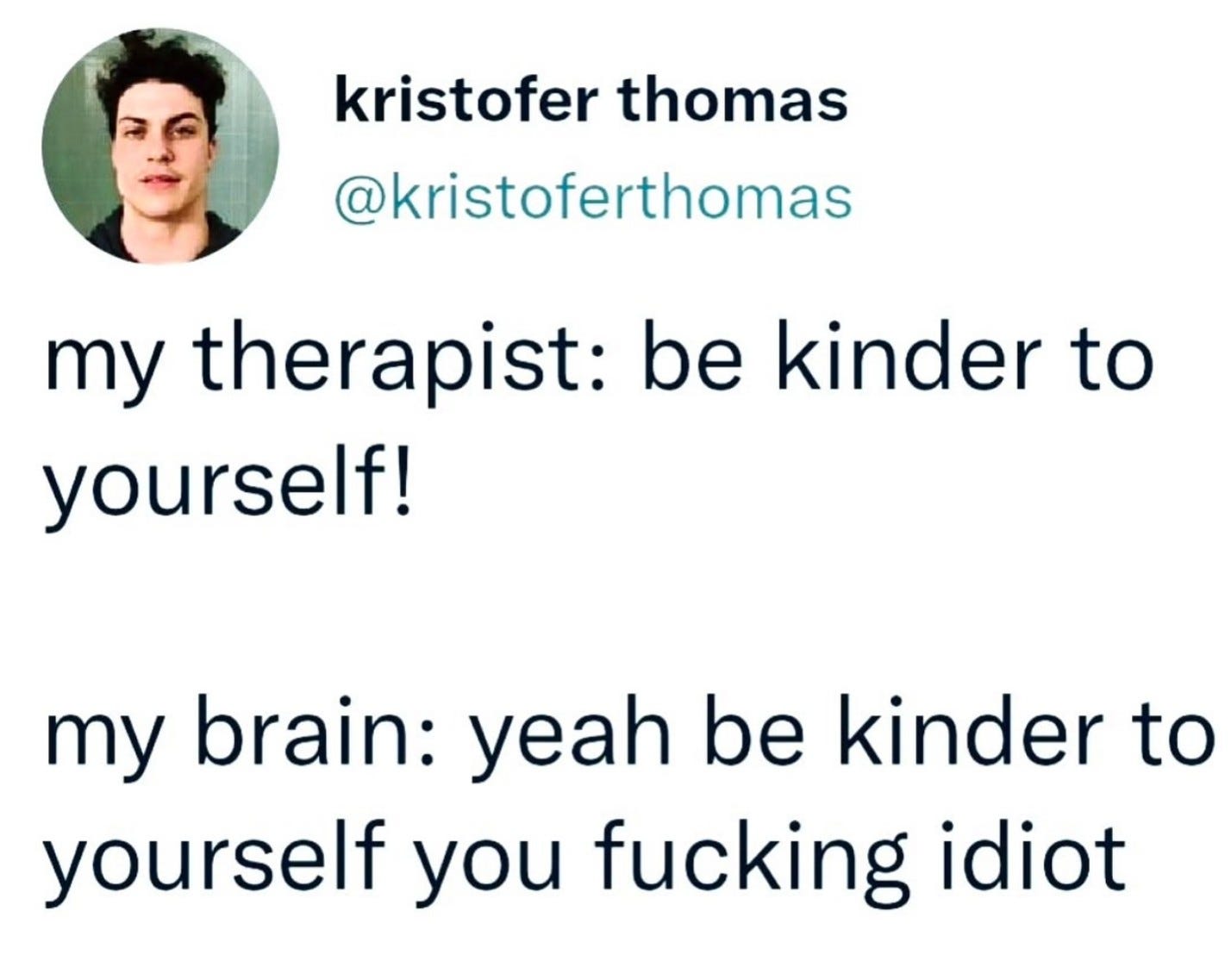
So, I was reminded to talk to myself like I talk to my children. That I need to offer myself kindness especially when I feel like least deserve it. I do not have to earn kindness and compassion, it is how I treat myself. To offer myself acceptance even when I’ve made mistakes is to recognise I’m only human after all.

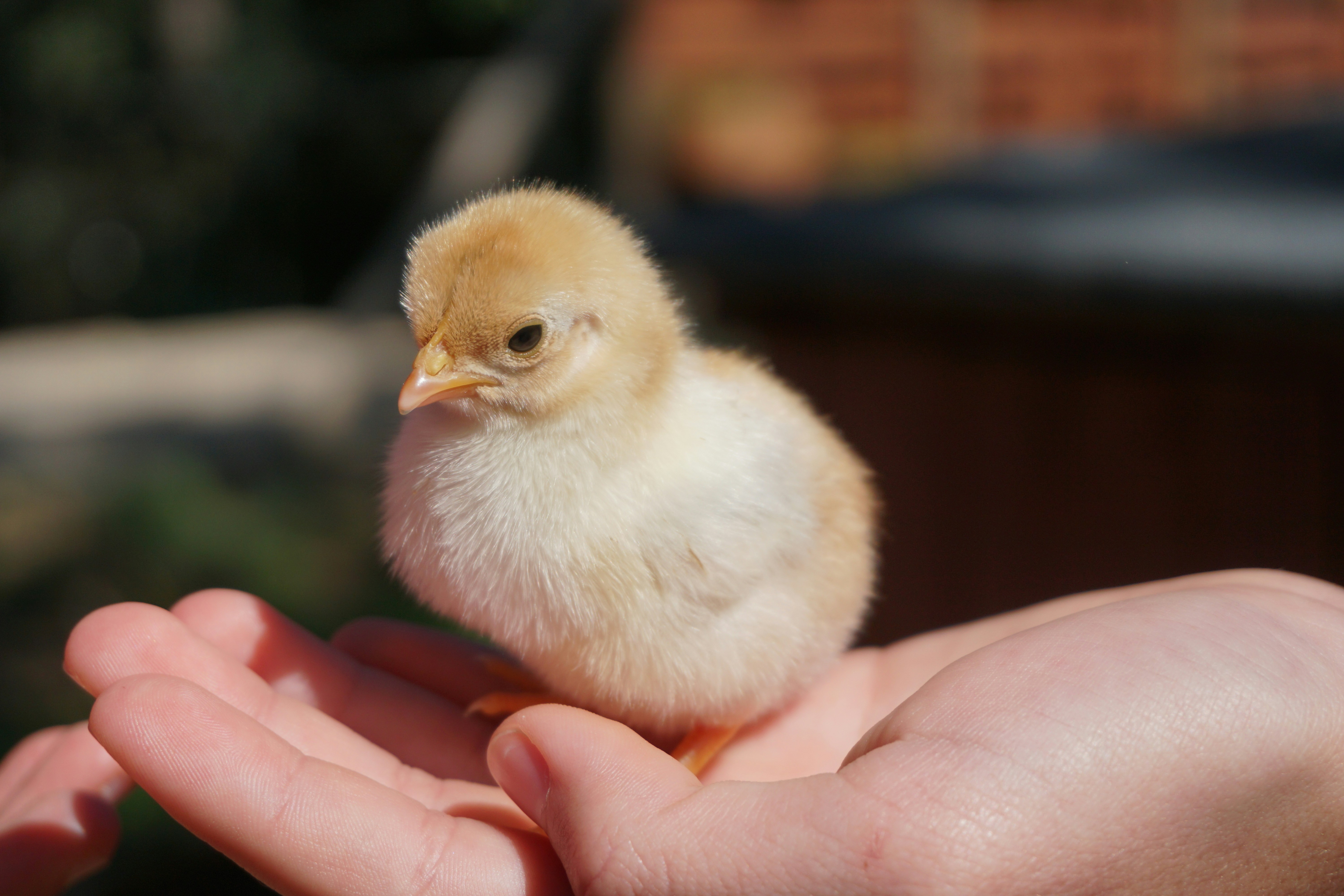
This reminds me how far I’ve come and that the work will always be ongoing. Do you also struggle to be kind with yourself? Sending you love, if this resonates. Let’s hold ourselves as gently as we would cradle a baby chick in our hands. Let’s walk into the world today being ludicrously kind to others and ourselves.

I am no longer waiting

In my writing journal, I came across a poem titled ‘I am no longer waiting’. It felt like a message in a bottle from past me. 

I am excellent at waiting. For the perfect moment. For conditions to improve. And now I am waiting for my mother to die.

I love her, I don’t want her to die. But she has been slowly unravelling for years as dementia stole her sanity and now her ability to walk or use her arms. 

Death is not the enemy but a merciful friend.

I don’t know if you have ever watched somebody you love slowly deteriorate. I am sorry if you have. It is agony. The waiting for the inevitable feels endless. And yet amongst the deep waves of grief I have been surprised to find a strong counter current pulling me towards life. I am surrounded by death and yet I have never felt more alive.

The modern world has many benefits, but because we have become removed from death and tragedy. It allows us to persist in the grand delusion that death won’t happen to us. Whereas one of life’s great truths: is none of us are getting out of here alive. Death happens to us all. 

What do we do what that knowledge, that dark and precious gift? My mother’s final gift to me.

Someone I loved once gave me

a box full of darkness.

It took me years to understand

that this, too, was a gift.

‘The Uses of Sorrow’ by Mary Oliver

Today would have been my best friend Lianne’s birthday. She would have been 41. She was somebody who was vividly alive. Some of us go quickly, we don’t have a chance to say our goodbyes. For those of us who see death coming, it can be a chance to do things differently. Yet for Lianne as she became more ill, her ability to things she wanted to do was eaten away by the cancer.

I don’t want to wait until I am dying to regret the things I did not do. I do not know how much time I have but as the great New Jersey poet Jon Bon Jovi said ‘I just want to live while I’m alive.’

I love new years resolutions. The idea of turning over a new page, the seductive possibility of change appeals to me. I saw somebody posting on social media about new years resolutions to lose weight. It said what if instead of waiting to lose weight, you did all those things you think losing weight will give you now?

What if you wore the bikini anyway?

What if you went to the dance class anyway?

What if you went on that date anyway?

What if you stopped waiting and started living now?

So this year I am resolving to stop waiting and to start living. 

What that looks like for me.

Telling my children I love them. Kissing my husband. Dancing to anthems with my besties. Swimming in the sea. Staring up at the stars. Booking that art class. Wearing that unflattering rainbow t-shirt that I love. Writing as if my life depended on it.

It looks like being in this world and not standing on the sidelines waiting for the right moment to jump in. Because now is all there is.

It is paying attention to all the things I tell myself I cannot do.

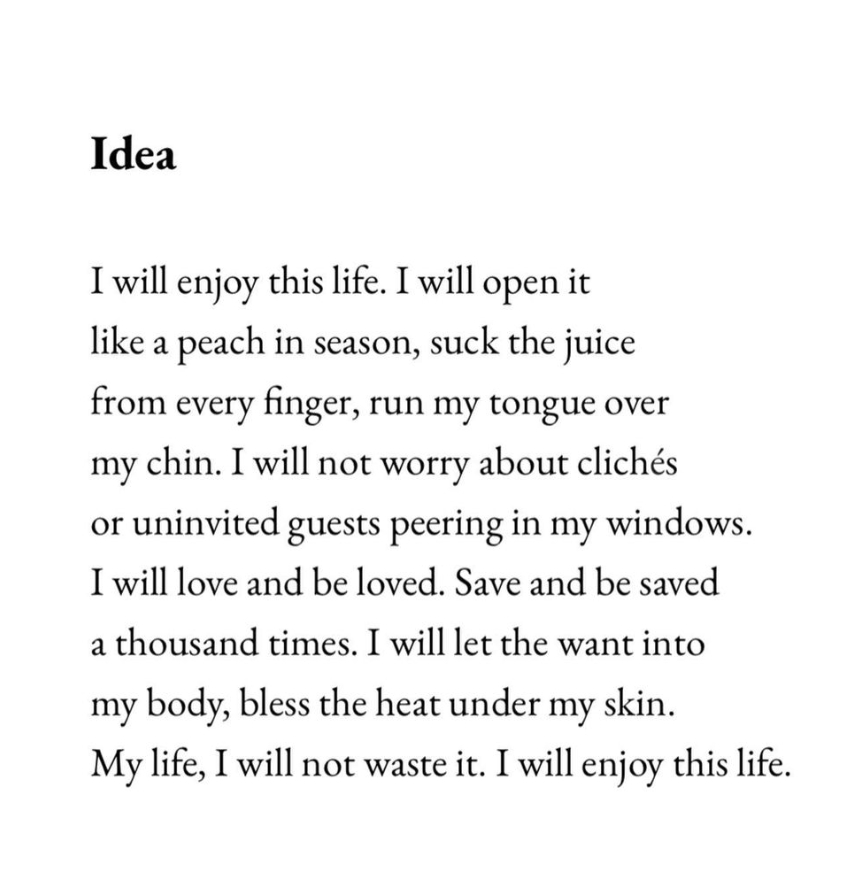
Idea by Kate Baer.

So let me ask you: what are you longer waiting for? What are you doing now? To paraphrase Mary Oliver how are living ‘your one wild and precious life?’

Words. Words. Words.

Advent of Midlife

by Mary Anne Perrone

I am no longer waiting for
A special occasion;
I burn the best candles on ordinary days.

I am no longer waiting for
The house to be clean;
I fill it with people who understand that
Even dust is sacred.

I am no longer waiting for
Everyone to understand me;
It’s just not their task.

I am no longer waiting for
The perfect children;
My children have their own names
That burn as brightly as any star.

I am no longer waiting for
The other shoe to drop;
It already did, and I survived.

I am no longer waiting for
The time to be right;
The time is always now.

I am no longer waiting for
The mate who will complete me;
I am grateful to be so
Warmly, tenderly held.

I am no longer waiting for
A quiet moment;
My heart can be stilled whenever it is called.

I am no longer waiting for
The world to be at peace;
I unclench my grasp and
Breathe peace in and out.

I am no longer waiting to
Do something great;
Being awake to carry my
Grain of sand is enough.

I am no longer waiting to
Be recognized;
I know that I dance in a holy circle.

I am no longer waiting for
Forgiveness.
I believe, I believe.